
New Roads to English. 3th. Grade. Perfeccionamiento
Ficha
- Nombre
- extracted text
-
New Roads to English. 3th. Grade. Perfeccionamiento
-
ENGLISH
I am...
Hello!
NEW ROADS TO ENGLISH
third grade
NEW ROADS
TO ENGLISH
Third grade
NEW ROADS
TO ENGLISH
Third grade
Dra. C. Isora Enríquez O’Farrill
M. Sc. Nadayky Alfonso Hidalgo
Lic. Tamara Armenteros Alcee
M. Sc. Mayda Ramos Alemán
M. Sc. Marcel Mendoza Zúñiga
M. Sc. Pablo Antonio Hernández Ramos
Este material forma parte del conjunto de trabajos dirigidos al Tercer Perfeccionamiento
Continuo del Sistema Nacional de la Educación General. En su elaboración participaron maestros, metodólogos y especialistas a partir de concepciones teóricas y metodológicas precedentes,
adecuadas y enriquecidas en correspondencia con el fin y los objetivos propios de cada nivel
educativo, de las exigencias de la sociedad cubana actual y sus perspectivas.
Ha sido revisado por la subcomisión responsable de la asignatura perteneciente a la Comisión Nacional Permanente para la revisión de planes, programas y textos de estudio del Instituto Central
de Ciencias Pedagógicas del Ministerio de Educación.
Queda rigurosamente prohibida, sin la autorización previa y por escrito de los titulares del
copyright y bajo las sanciones establecidas en las leyes, la reproducción total o parcial de esta
obra por cualquier medio o procedimiento, así como su incorporación a un sistema informático.
Material de distribución gratuita. Prohibida su venta
Colaboradores:
• Lic. Milka Álvarez Barbosa
• Lic. Yanelis Hernández Torres
• Lic. Mariolis Martín Labrador
• Lic. Mayda Loaces Requeira
• Lic. Itamarys Pérez Hernández
Edición y corrección:
• Lic. Fabiana Rodríguez Montes
Diseño, cubierta, ilustración y emplane:
• Instituto Superior de Diseño (ISDi):
Aitana Acosta Lechuga • Naomi Casellas González • Danay Cruz Bello • Carolina de
Cordova Villegas • Leonardo De León Ramos • Laura Domínguez Machín • Adriana Flórez
González • Gabriela Marrero Hernández • Mailen Mulet Segura • Dayanis Placeres Díaz
• Liz Rashell Roque Martínez • Alejandra Vázquez Martínez • María Paula Lista Jorge
• M. Sc. Maité Fundora Iglesias • Dr. C. Ernesto Fernández Sánchez
© Ministerio de Educación, 2025
© Editorial Pueblo y Educación, 2025
ISBN 978-959-13-5086-2 (Versión impresa)
ISBN 978-959-13-5100-5 (Versión digital)
EDITORIAL PUEBLO Y EDUCACIÓN
Av. 3.ª A, No. 4601, entre 46 y 60,
Playa, La Habana, Cuba. CP 11300.
epueblo@epe.gemined.cu
ÍNDICE
Al educando
vi
UNIT 1 My first English lesson
1
UNIT 2 I am...
11
UNIT 3 Let´s count
25
UNIT 4 At school
41
UNIT 5 My family
69
UNIT 6 Pets
89
UNIT 7 All in all
100
Al educando
Welcome to third grade!
E
n tercer grado comienzas a estudiar el idioma inglés como parte de tu plan de estudios. Y este
libro-cuaderno es un recurso para ayudarte a comprender mejor las clases de inglés que recibes en este
grado, por supuesto con la guía de tu docente, monitor
o familiares. En él encontrarás las principales orientaciones que facilitarán tu preparación, organizadas en
varias secciones con ejercicios y actividades precisas, que
te apoyarán en el aprendizaje y la ejercitación de los
contenidos, entre ellas:
• La sección Breaking the Ice te motiva a conocer los
nuevos contenidos.
• La sección What’s New? te permite conocer el contenido nuevo que se va a presentar en la unidad.
• La sección Let’s Practice! te sirve para ejercitar todo lo
que vas aprendiendo.
• La sección In Black and White te ayuda a desarrollar
habilidades básicas para escribir acerca del contenido
de la unidad.
• La sección Time to read te ayuda a desarrollar habilidades básicas para comprender textos de lectura sobre el contenido de la unidad.
• La sección Look! and Reflecting on Language te permite reflexionar sobre el contenido que vas aprendiendo
en el curso.
• La sección Let’s Sing Together! te acompaña mientras
trabajas con una canción.
• La sección Project Work te propone el trabajo práctico
que deberás realizar de forma independiente para
utilizar lo aprendido en la unidad.
• La sección My personal booklet. Reflecting on my
learning te propone preguntas que deberás responder sobre lo aprendido en la unidad.
• La sección Self-Evaluation te permite autoevaluar los
conocimientos que has adquirido.
• La sección With a Little Help from My... te invita a
realizar una actividad que generalmente es de trabajo independiente y puedes desarrollar con la ayuda
de tus familiares, vecinos o amigos.
• La sección To learn more te ofrece otra posibilidad que
puede resultarte interesante para practicar los contenidos o el tema principal de la unidad, en casi todos los
casos mediante la lectura de un cuento corto.
Y claro, cuida muy bien este cuaderno, que te resultará
de mucha utilidad para cumplir con los objetivos de la
asignatura inglés.
LOS AUTORES
UNIT 1
My first English lesson
Esta es una unidad introductoria de familiarización
para que puedas:
• Identificar los países de habla inglesa y sus banderas.
• Explicar de forma sencilla la importancia del estudio
de la lengua inglesa para comunicarte con amigos y
personas de diferentes partes del mundo y también
para obtener información importante e interesante
para tu formación.
• Comprender y responder a frases muy utilizadas y
comunes en la clase de inglés.
1
NEW ROADS TO ENGLISH
Breaking the Ice
Breathing activity to get ready to start. Finger Tracing
• Find a calm and quiet space.
• Place your finger on the page.
• Breathe in and out slowly, carefully tracing around
the shapes.
• Continue until you have traced all the shapes.
2
UNIT 1
Song 1
We welcome you1
We welcome you to school today,
School today, School today,
We welcome you to school today,
Please come in and play.
We’re happy to have you here today,
Here today, here today.
We’re happy to have you here today.
Yes, it’s a special day!
Song 2
We welcome you here,
We welcome you here.
We welcome everybody,
We welcome you here.
1
https://preschooleducation.com/songs/circle-time-hello-songs/
3
NEW ROADS TO ENGLISH
What´s New?
Escucha la explicación de tu docente sobre la lengua
inglesa y los países donde se habla. Después desarrolla
las actividades siguientes.
1. Selecciona los países de habla inglesa.
Venezuela
Mexico
South
Africa
Jamaica
Australia
England
United States
of America
Canada
2. Piensa y responde.
El idioma inglés es importante porque:
___ Suena bien.
___ Es la lengua que hablan muchos millones
de personas.
___ Es fácil de aprender.
___ Se le considera una lengua universal.
4
UNIT 1
3. En Cuba el idioma inglés resulta útil para:
___ Trabajar con la computadora.
___ Comunicarnos con personas de otros países.
___ Estudiar Matemática e Historia.
___ Obtener información sobre libros, revistas,
documentos.
___ Comprender mejor películas, canciones, dibujos
animados.
___ Elevar nuestra cultura.
4. Busca en el siguiente mapa:
• Cinco países de habla inglesa.
• Localízalos con la ayuda de tu docente.
_____________________________________________
_____________________________________________
_____________________________________________
_____________________________________________
_____________________________________________
5
NEW ROADS TO ENGLISH
5. Dibuja la bandera de los siguientes países: Bahamas,
Canadá, Inglaterra y Jamaica.
Bahamas
Canada
Inglaterra
Jamaica
En las clases de inglés necesitas comprender algunas
frases que se utilizan con mucha frecuencia en la dinámica de las actividades para responder a las orientaciones
e instrucciones de tu docente y comunicarte en inglés lo
más posible.
6. Escucha y repite con tu docente.
6
UNIT 1
Shh
Let´s Practice!
7. Read and trace the following words.
Stand up ______________________________________
Sit down _______________________________________
Raise your hand ________________________________
Silent, please ___________________________________
Listen and repeat _______________________________
Open your book ________________________________
Close your book ________________________________
7
NEW ROADS TO ENGLISH
8. Match the phrase in A with the most appropriate
picture in B
A
__ Copy from the board
__ Sit downn
__ Raise your hand
__ Close the book
__ Stand up
__ Listen up
__ Be quiet
B
a
b
e
To learn more
English and Spanish
8
c
f
d
g
UNIT 1
¿Sabías que...?
•
•
•
•
•
•
El idioma inglés tiene palabras que se escriben
como en español con pronunciación diferente:
hospital, hotel, actor, doctor, animal, artificial.
En inglés hay palabras que parecen similares,
pero tienen un significado diferente:
Soap-jabón
Soup-sopa.
En inglés los días de la semana y los meses del
año se escriben con letra inicial mayúscula:
Monday, Tuesday, July, September.
En inglés los signos de interrogación y de exclamación solo se escriben al final de la oración:
What do you do?
La letra “ñ” no aparece en el abecedario en
inglés, porque no hay ninguna palabra en el
idioma inglés que se escriba con “ñ”.
En inglés las palabras no llevan tilde.
With a Little Help from My…
9. Localiza en el mapa los países de habla inglesa del
área del Caribe. Identifícalos con sus nombres.
______________
______________
______________
______________
______________
______________
______________
______________
9
NEW ROADS TO ENGLISH
10. Selecciona un país de habla inglesa a partir de la indicación de tu docente. Busca información sobre sus
símbolos y lugares más conocidos internacionalmente.
10
UNIT 2
I am...
Lucy
In this unit you will learn to:
• Greet and respond to greetings.
• Greet and ask about well-being.
• Ask and answer how someone feels.
• Say and respond to farewells.
• Spell names and other words.
11
NEW ROADS TO ENGLISH
Breaking the Ice
Breathing activity to get ready to start. Finger Tracing
• Find a calm and quiet space.
• Place your finger on the page.
• Breathe in and out slowly, carefully tracing around
the shapes.
• Continue until you have traced all the shapes.
12
UNIT 2
What’s New?
Situation 1
Es el primer día de clases en la escuela de Kevin y
los estudiantes están en el patio. Mary es una educando nueva que vino de otro país. Solo Kevin la conoce y
quiere que se sienta bien. Le canta una canción y luego
conversa brevemente. Escucha y sigue las orientaciones
de tu docente.
How are you?
I am fine,thank you.
How are you?
Listen and sing
Good morning, good morning. How are you?
Good morning, good morning. How are you?
How are you this special day?
We’re glad you came to play and learn.
13
NEW ROADS TO ENGLISH
Initial practice
• Repeat as the teacher indicates.
• Then act out the conversation.
• Substitute parts of the conversation and act out the
new version, as indicated by the teacher.
Listen to the conversation
Mary: Good morning, Kevin.
Kevin: How are you?
Mary: I am fine, thank you. How are you?
Kevin: I am very well, thank you. Oh! Time to go to classes.
Mary: Yes, that´s right. Good bye, Kevin.
Kevin: Bye, Mary.
1. Select the images that best describe Kevin and Mary.
Mary is
Kevin is
Situation 2
En el parque donde juegan varios niños se encuentran Frank y Helen. Frank es de otro país y vino a visitar
a su familia. Frank quiere conocer a Helen.
Frank: Hello! What´s your name?
Helen: Hello! My name is Helen.
Frank: I am Frank.
Helen: Nice to meet you, Frank!
Frank: Nice to meet you, too. Bye!
Helen: Good bye.
14
UNIT 2
What´s your
name?
My name
is Helen.
2. Say True (T) or False (F).
__ Frank exclama “Hi!” para saludar a Helen.
__ Helen se presenta diciendo su nombre.
__ Helen dice “nice to meet you”, porque le agrada
Frank.
__ Frank le pregunta a Helen cómo se siente.
Situation 3
Al barrio de Frank ha llegado Joseph con sus padres,
para visitar a su familia que vive en Cuba. Frank juega
con él en el parque.
Can you spell
your name?
Yes, J-O-S-E-P-H.
15
NEW ROADS TO ENGLISH
Joseph: Good morning!
Frank: Good morning. My name is Frank.What´s your name?
Joseph: I ´m Joseph.
Frank: Can you spell your name?
Joseph: Yes, J-O-S-E-P-H.
Frank: Nice to meet you, Joseph.
Joseph: Nice to meet you, too, Frank.
3. Listen to the conversation and write True or False.
___ Joseph y Frank son amigos.
___ Alice deletrea su nombre.
___ Alice le pregunta el nombre a otro educando.
___ Los educandos se encuentran por la mañana.
Let´s Practice!
4. Let`s play: Bingo!
O
S
U
M
A
B
I
K
E
5. Work in groups.
6. Look and spell.
How are you?
How do you spell your name?
What´s your name?
Spell: Eddy, Mike, Lucy.
16
UNIT 2
7. Make a circle in the classroom and ask and answer
questions.
Example:
A: What’s your name?
B: My name is Lucy
A: Lucy, spell your name, please?
B: L-u-c-y.
8. Create a conversation according to the situations.
Situations
• En la mañana te encuentras con Mary y se saludan.
• En la tarde te encuentras con un niño que no
conoces y se saludan.
Example:
A: Good morning, Mary.
B: Good morning, Peter.
A: How are you?
• A tu aula llega un niño que estudiaba en otra
escuela. Quieres practicar el idioma inglés con él.
17
NEW ROADS TO ENGLISH
Create a dialogue:
1. Salúdalo
2. Pregúntale cómo se siente
3. Pregúntale su nombre
4. Despídete
Work in pairs: The name I like. Select the name you
like in the list. Spell it to your classmate.
List: Mary - Peter - Tommy - Albert - Paul - Susan Rose – Betty
10. Let´s play.
Show the card the teacher mentions.
Example:
A
I
M
In Black and White
11. Listen to the teacher and circle the letter mentioned.
H
18
K
B
E
F
W
X
Z
Y
UNIT 2
12. Match column A with B, using greetings.
A
B
a) Good morning
___ 10:00 a.m.
b) Good afternoon
___ 08:00 p.m.
c) Good evening
___ 04:00 p.m.
13. Select the correct answer.
Para saludar a una persona decimos:
___ Good bye.
___ Hello!
___ I am very well.
Para preguntar cómo se siente decimos:
___ How are you?
___ I´m fine.
___ I´m David.
Para preguntar el nombre decimos:
___ Good morning!
___ Nice too meet you!
___ What´s your name?
14. Match column A with B, then practice in pairs.
A
B
Hello!
__ My name is Betty.
How are you?
__ Hi!
Good bye.
__ I am very well.
What’s your name?
__ What’s your name?
__ Bye
__ Good morning.
19
NEW ROADS TO ENGLISH
15. Read and match.
A
What´s your name?
How do you spell your name?
How are you?
Hello!
B
__ Good morning!
__ My name is Kevin.
__ A-L-E-X
__ I am fine.
16. Complete with the following letter. (Completa con
la letra correspondiente).
List: E, H, M, G, T, A
a) ___ ello
b) ___ vening
c) ___ hanks
d) ___ ood
e) ___ orning
17. Arrange the following letters and make up words.
Spell it.
a) ybe _________________________________________
b) amne _______________________________________
c) nife _________________________________________
d) who ________________________________________
e) uoy _________________________________________
18. Find the missing letter.
List: O, A, I, G, E, N
G__od m__rn__n__!
Go__d aft__rn__on!
20
H__ll__!
Good __v__n__ng!
UNIT 2
19. Organize, spell and name.
E - M - N - A ____________________________________
C - N - I - E _____________________________________
L - E - L - S - P __________________________________
W - T- H - A ____________________________________
W - O - H ______________________________________
Look at the pictures and write the greetings.
a.m.
p.m.
20. Complete the following conversation. Use the
word and the phrases from the list.
List: Hello. - How are you? - Good bye.
Teacher: Hello!
Student: _______ , teacher.
Teacher: How are you?
Student: I am good! ________?
Teacher: I am fine, thank you Student: _______.
Teacher: Good bye.
Complete the conversation.
Tamy: _________________________.
Kevin: Hello! I am Kevin. What´s your name?
Tamy: My name is Tamy. __________________.
21
NEW ROADS TO ENGLISH
Let’s Sing Together!
21. Listen to the song and say.
“Greetings Song”2
Good morning good morning, it’s a great new day!
Good morning good morning, hip hip hip hooray!
Good morning good morning, it´s a great new day!
Good morning, good morning, time for fun and play!
Hello, hello, hello, how are you today?
Hello, hello, hello, I´m great!
Hello, hello, hello, are you ready to play and learn?
Hello, hello, hello, I hope you’re doing well!
Hello, hello, hello, I´m doing great!
Goodbye, goodbye, goodbye, I’ll be on my way
Goodbye, goodbye, goodbye, see you another day
Goodbye, goodbye, goodbye, see you later, my friend.
2
https://lingokids.com/english-for-kids/songs/hello-greeting-song
22
UNIT 2
a) ¿A qué hora utilizas este saludo?
b) Si los educandos se encontraran en la mañana,
¿qué saludo de los que conoces utilizarías?
22. Listen to the song again and say.
c) ¿Cuál es el equivalente en inglés de “cómo estás”?
d) ¿Cuál es el equivalente en inglés de “me siento
bien”?
23. Repeat the song after the teacher, sing it with your
classmates.
Hello - hello - hello. How are you?
I´m fine, I’m fine. I hope, that’ you are too.
24. Listen to the song again and say.
e) ¿Cuál es el saludo que aparece en la canción?
_______________________________________________
f) ¿Cómo decir en inglés, espero que estés bien tú
también?
_______________________________________________
25. Listen to the song again and say.
g) ¿Qué frase se usa para preguntarle a alguien
cómo se siente?
_______________________________________________
28. Repeat the song and sing it together with your
teacher.
Hello - hello - hello. How are you?
I´m fine, I’m fine. I hope, that you are too.
23
NEW ROADS TO ENGLISH
29. Listen to the song again and complete the blank
space.
Hello - ________ - hello. How are ____?
I´m ____, I’m fine. I hope, that’ you are ____.
30. Repeat the song in small groups, in pairs and
individually.
My personal booklet. Reflecting on
learning
31. ¿Qué has aprendido en la unidad ? ¿Realizas las
tareas siempre?
_______________________________________________
_______________________________________________
_______________________________________________
_______________________________________________
32. ¿Te gusta trabajar en parejas o en equipo ¿Qué
actividades te agradaron más?
_______________________________________________
_______________________________________________
_______________________________________________
_______________________________________________
24
UNIT 3
Let´s count
In this unit you will learn how to:
• Ask and offer information about your age and
other people´s age.
• Count from 1 to 40.
• Ask and say the date.
25
NEW ROADS TO ENGLISH
Breaking the Ice
Breathing activity to get ready to start. Finger Tracing
• Find a calm and quiet space.
• Place your finger on the page.
• Breathe in and out slowly, carefully tracing around
the shapes.
• Continue until you have traced all the shapes.
26
UNIT 3
1. Write the missing numbers inside the balls. The
numbers from 1 to 40 in Spanish
tres
uno
siete
cinco
diez
What’s New?
Situation 1
Lucy y Eddy se encuentran a la entrada de la escuela.
Lucy: Hello!
Eddy: Hello!
Lucy: What’s your name?
Eddy: My name is Eddy. What’s your name?
Lucy: I am Lucy. How old are you?
Eddy: I am 8 .How old are you?
Lucy: I am 9 years old.
Eddy: Good bye, Lucy.
Lucy: Bye, Eddy.
Situation 2
Peter: Good morning!
Nady: Good morning!
27
NEW ROADS TO ENGLISH
Peter: How old are you?
Nady: I am 7. How old are you?
Peter: I am 8 years old.
Nady: Good bye.
Peter: Good bye.
Initial practice
• Repeat as the teacher indicates.
• Then act out the conversation.
• Substitute parts of the conversation and act out the
new version, as indicated by the teacher.
Let´s Practice!
2. Repeat from 1 to 40.
3. Now, you are going to see how to write them and copy.
One _____________1
Two______________2
Tree _____________3
Four______________4
Fourteen _________14
Sixteen___________16
Seventeen ________17
Eigteen___________18
Nineteen _________19
Twenty____________20
Thirty ____________30
Fourty____________40
4. Circle the number you hear.
Example: number twenty-two
22
40
28
23
35
24
36
25
37
26
30
27
31
28
20 38
39
UNIT 3
5. Circle the correct answer and pronounce it.
a) 4 + 4 = __
nine
Eight
ten
b) 4 + 1 = __
four
Five
seven
c) 5 – 3 = __
one
Three
two
d) 10 – 7 = __
three
Two
Six
6. Match the number with the Word.
A
10
15
18
21
4
25
B
eighteen
four
twenty-five
ten
twenty-one
fifteen
In Black and White
7. Complete the numbers from 1 to 40.
Two
Seven
Ten
Twelve
29
NEW ROADS TO ENGLISH
8. Complete the numbers with the letters in the oval.
h e n o
w y t f
i u
33
Th__rt__thr__ __
40
F__r__y
47
__ ort __ -seven
35
Th__rt__-f__ve
20
T __ ent __
44
F__r__y-fo__r
25
Tue __ t __ fiv __
19
N__n__t__ __n
9. Find the numbers in the puzzle.
B
N
T
H
R
E
E
O
R
N
O
P
I
M
G
O
D
W
E
J
N
V
B
N
Y
T
S
V
S
F
E
S
R
T
E
M
E
J
M
O
B
D
H
A
K
L
R
N
L
U
D
F
I
V
E
S
M
J
W
R
30
UNIT 3
10. Complete the puzzle.
5
20
7
10
9
11. Solve the following operations. Write the numeral
of each answer.
4+2+5=
thirteen
20 : 2 + 9 =
8+2+1=
10 + 9 – 4 =
18 : 2 + 5 =
31
NEW ROADS TO ENGLISH
12. Write the numbers studied.
T ________
________
R ________
________
H ________
________
N ________
________
I ________
________
F ________
________
E ________
________
O________
________
13. Write the names of the following numbers in English.
25 __________________
28 __________________
24 __________________
29 __________________
14. Write the result.
Example: 10 + 12 = twenty-two
5 + 7 = _______________________
23 – 4 = ______________________
3 · 7 = _______________________
30 – 3 = ______________________
12 · 5 = ______________________
15. Write the number that is after or before the one
given.
Example: nine 10 eleven
a) 5 _________________
b) ________________15
c) 28 ________________
d) 22 ________________
e) ________________18
f) ________________ 24
32
UNIT 3
16. Write the telephone numbers.
Eight, eight, seven, nine, four, six, five
____________________________________
Two,three,five,two,three,oh, one
____________________________________
Seven,four, eight, nine, six, eight, five
____________________________________
16.1. Complete the sentences.
My name is ______________.
I am ___ ______ old.
What’s _____ name?
How ___ are you?
17. Arrange the words to make the sentences. Practice
the pronunciation.
Example: How old are you?
are How old you?
I years ten old am
your sister? is How old
She old eleven years is
is your how old mother?
My old mother is years forty
33
NEW ROADS TO ENGLISH
Look!
The days of the week. (Los días de la semana).
What day is today? Today is Friday.
¿Qué tú crees que significan esa pregunta y su respuesta? Exactamente se pregunta qué día es hoy. La
respuesta, lógicamente, es el día de la semana.
3
MAY
Estos son los siete días de la semana:
Sunday / Monday / Tuesday / Wednesday / Thursday /
Friday / Saturday
18. Complete the list.
The seven days of the week are:
Sunday, ___________, Tuesday, __________________,
Thursday, __________________ and Saturday.
19. Complete.
Monday, ____________________ and Wednesday
Thursday, ___________________ and ______________
___________________, ____________________
and Tuesday.
34
UNIT 3
20. Complete the names with the missing letter.
Sun __ __ __
Mon __ __ __
Tues __ __ __
Wednes __ __ __
Thurs __ __ __
Fri __ __ __
Satur __ __ __
21. Complete again.
S__ __ day
__ __ __ day
__ __ __ __ day
__ __ __ __ day
F __ __ day
M __ __ day
Look!
¿Qué observaste en estos dos ejercicios? En efecto,
todos terminan con la palabra “day”. Entonces saca tus
propias conclusiones.
Day quiere decir:
___ Sol
___ día
___ Luna
___ noche
22. Write in English the equivalent to the seven days
of the week.
Lunes
________________
Miércoles
________________
Domingo
________________
35
NEW ROADS TO ENGLISH
23. Complete the crossword with the seven days of
the week.
W
E
D
N
E
S
D
A
Y
Look!
Numbers and ages
• Cuando queremos saber la edad de alguien, lo hacemos utilizando la pregunta: How old are you? Y la
respuesta es: I am 8 years old.
• Recuerda que cuando te refieres a la edad tuya o de
otra persona debes utilizar las palabras am e is. Observa la diferencia:
36
UNIT 3
• I am 8 years old. (Yo tengo 8 años).
• Peter is 12 years old. (Pedro tiene 12 años).
• También se puede decir /tweni/ en lugar de twenty.
Recuerda que partiendo del número twenty (20),
agregamos los números del 1 hasta el 9. Ejemplo:
twenty-one, que significa 21.
• Para formar los números del 30 al 100, solo tienes
que agregar a los múltiplos de 10 las unidades hasta
el 9, como mismo se forman los números del 21 al
29. Ejemplo: (30) thirty; (31) thirty-one….
Let’s Sing Together!
“John Brown”
John Brown has a little Indian.
John Brown has a little Indian.
John Brown has a little Indian, one little
Indian boy.
One, little two, little three, little Indians.
Four, little five, little six, little Indians.
Seven, little eight, little nine, little Indians.
Ten little Indian boys.
John Brown has a little Indian.
John Brown has a little Indian.
John Brown has a little Indian, ten little
Indians boys.
Ten, little nine, little eight, little Indians.
Seven, little six, little, five little Indians.
Four, little three, little two, little Indians. One little
Indian boy.
37
NEW ROADS TO ENGLISH
24. Listen to the song and tick the correct item:
_____ los colores
_____ diez indios pequeños
_____ los números
25. Which is the name you hear in the song.
_____ James
_____ Jane
_____ Jake
_____ John Brown
26. After you listen to the song, write the numbers
you hear.
________________
________________
________________
________________
________________
________________
________________
________________
________________
________________
38
UNIT 3
27. Here you have a list of numbers. Repeat and pronounce them correctly.
28. Listen to the song and complete:
Canción: “John Brown”
John Brown has a little Indian.
John Brown has a little Indian.
John Brown has a little Indian, ______
little indian boy.
______, little ______ little ______, little indians.
______, little _______ little ______, little indians.
______, little ______, little_______, little indians.
_______ little indian boys.
John Brown has a little indian.
John Brown has a little indian.
John Brown has a little indian,
ten little indians boys.
39
NEW ROADS TO ENGLISH
Ten, little nine, little eight, little indians.
Seven, little six, little five, little indians.
Four, little three, little two, little Indians. One
little boy!
40
UNIT 4
At school
In this unit you will learn to:
• Give and respond to orders and instructions.
• Ask and answer about school objects.
• Name the colors.
• Ask and answer about your favorite color.
• Ask for permission.
• Describe objects.
41
NEW ROADS TO ENGLISH
Breaking the Ice
Breathing activity to get ready to start. Finger Tracing
• Find a calm and quiet space.
• Place your finger on the page.
• Breathe in and out slowly, carefully tracing around
the shapes.
• Continue until you have traced all the shapes.
42
UNIT 4
1. Circle the school objects in the following pictures.
What’s New?
Situation 1
Tom va a la Escuela Primaria Salvador González y se
encuentra con su docente de Inglés a la entrada del
aula. Quiere pedirle permiso para entrar al aula.
Tom: Good morning,
teacher!
Teacher: Good morning,
Tom!
Tom: May I come in!
Teacher: Yes, you may.
Tom: Thank you.
43
NEW ROADS TO ENGLISH
2. Say True (T) or False (F).
____ Teacher saluda en la tarde.
____ Tom pide permiso para ir al baño.
____ Teacher dice que sí puede.
Initial practice
• Repeat as the teacher indicates.
• Then act out the conversation.
• Substitute parts of the conversation and act out the
new version, as indicated by the teacher.
Situation 2
Se encuentran los educandos en la clase de inglés y
Paul quiere pedir permiso al docente para ir al baño.
Paul: Excuse me, teacher. May I go to the bathroom?
Teacher: Yes, you may.
Paul: Thanks.
44
UNIT 4
Situation 3
Mary: Hello, Paul.
Paul: Hi, Mary. How are you today?
Mary: I´m fine. How are you?
Paul: I´m OK. I can´t find my pencil. Please, show me
your pencil?
Mary: What color is your pencil?
Paul: My pencil is blue.
Mary: Is this your pencil?
Paul: Show it to me, please?
Mary: Here you are.
Paul: Oh yes! This is my pencil. Thank you.
3. Listen and answer.
a) ¿Quiénes intervienen en la conversación?
b) ¿Qué buscan? (utilizando soporte visual)
c) ¿Quién encontró el lápiz?
d) ¿De qué color es el lápiz que buscan? (utilizando
soporte visual)
45
NEW ROADS TO ENGLISH
4. Say True (T), False (F) or Not Said (NS).
____ Paul´s pencil is red.
____ Mary´s pencil is green.
____ Paul´s pencil is blue.
Initial practice
• Repeat as the teacher indicates.
• Then act out the conversation.
• Substitute parts of the conversation and act out the
new version, as indicated by the teacher.
5. Listen and answer.
a) ¿Qué sostiene Alex en su mano?
b) ¿Sobre qué creen que estén hablando?
Alex: Look, Susan. These are my new color pencils.
Susan: They are beautiful. And, what color do you
prefer?
Alex: I prefer blue. What color do you prefer?
Susan: I prefer red.
6. Say True (T) or False (F).
____ Alex prefers red.
____ Susan prefers red.
____ Alex´s favourite color is blue.
Initial practice
• Repeat as the teacher indicates
• Then act out the conversation.
• Substitute parts of the conversation and act out the
new version, as indicated by the teacher.
46
UNIT 4
Let’s Practice!
7. Act out following the instruction: “Simon says…”
Example:
El docente dirá: “Simon says: stand up”.
Si el docente no dice: “Simon says…”, no puede
realizar la instrucción.
a) Simon says: open your book
b) Simon says: sit down
c) Simon says: be quiet
d) Simon says: close your book
8. Work in pairs. One student mimics the instruction
and the other has to guess.
Then say it.
e) Open your book
f) Close the door
g) Sit down
h) Go to the board
_______________________________________________
_______________________________________________
_______________________________________________
_______________________________________________
_______________________________________________
_______________________________________________
47
NEW ROADS TO ENGLISH
9. Repeat some new phrases studied and practice
with your friend.
Stand up
Sit down
Raise your hand
Come here
Open your book
48
Close your book
Be quiet
UNIT 4
10. Identify the illustrations.
A
__ Sit down
__ Raise your right hand
__ Open your book
__ Stand up
B
a
b
c
d
11. Follow the teacher´s instructions.
12. Mention the instructions.
Ir al baño ___________________________
Hacer silencio _______________________
Pararse _____________________________
Sentarse ____________________________
Abrir la puerta ______________________
Cerrar la ventana ____________________
13. Ask and answer questions guided by the teacher.
Example:
Equipo 1: Un educando desea ir al baño
Equipo 2: Un educando preguntará:
“May I go to the bathroom?”.
49
NEW ROADS TO ENGLISH
Equipo 2: Un educando comienza a sacarle punta
al lápiz.
Equipo 1: Un educando preguntará: “May I sharpen
my pencil?”
Equipo 1: Un educando se pone de pie y se dirige
hacia la puerta.
Equipo 2: Un educando preguntará: “May I close
the door?”.
14. Work in pairs to create mini-conversations.
Example:
A: May I open the book? B: Yes, you may.
El educando A ejecutará la acción. Se podrán usar
otras frases:
•
•
•
•
Abrir la puerta
Cerrar el libro
Ponerse de pie
Sentarse
•
•
•
•
Ir al baño
Sacarle punta al lápiz
Entrar al aula
Ir a la pizarra
Find someone. Walk around the class asking questions.
Example:
El docente dice: “Debes buscar al educando que
tenga el color amarillo como color preferido”.
El escolar que busca al educando dice: “What is
your favorite color?”.
El educando sentado dice: “My favorite color is…”.
50
UNIT 4
15. Let´s play: I spy with my little eyes…
Example:
A member from Team 1: I spy with my eyes
something red. Team 2: Possible question and
answers: Is it a pen?
Team 1: Possible answer. Yes it is /No it isn´t.
16. Game: Add on.
Example: Primero Susan dice: “ pencil”, después Betty
dice: “pencil and ruler” y se van añadiendo palabra
17. What´s in the schoolbag?
Select from the list the objects the students have
in the schoolbag. Practice the conversation with
your partner.
List: a dog - two pencils - two books - a chair three pens - a ruler - a board - a notebook an eraser - a table.
A: Is this your schoolbag?
B: Yes, it is.
A: What do you have in your schoolbag?
B: I have ______________________________________.
18. Pair work. Create a dialogue with your partner.
Las siguientes preguntas te servirán de guía para
desarrollar esta actividad con éxito.
Example:
Is this/that a/an…?
What´s this/that…?
51
NEW ROADS TO ENGLISH
Is this/that your…?
What color is your…?
What color do you prefer…?
In Black and White
19. Select the correct answer.
____ Open your book
____ Stand up
____ Sit down
____ Stamp your feet
____ Raise your hand
____ Stand up
____ Come here
____ Sit down
52
UNIT 4
20. What does he or she want to do? Select the correct
answer.
Tom quiere sentarse.
___ May I come in?
___ May I sit down?
Annie quiere abrir su libro.
___ May I close the book?
___ May I open the door?
David quiere ir al baño.
___ May I go to the board?
___ May I go to the bathroom?
21. Match the action in column A with the Spanish
equivalent in B.
A
B
a) Stand up.
___ Ven acá.
b) Sit down.
___ Haz silencio.
c) Raise your hand.
___ Abre tu libro.
d) Come here.
___ Aplaude, por favor.
e) Clap your hands please. ___ Cierra tu libro.
f) Be quiet.
___ Párate.
g) Open your book.
___ Siéntate.
h) Close your book.
___ Levanta la mano.
53
NEW ROADS TO ENGLISH
22. Arrange the phrases. Practice the pronunciation.
up
down
down
sit
your
Raise
here
Come
quiet
Be
your
Open
book
your
book
Close
hand
23. How would you ask for permission?
Example:
Cerrar la puerta ________________________________
Ponerte de pie _________________________________
Abrir el libro ___________________________________
Abrir las persianas ______________________________
Sentarse _______________________________________
54
UNIT 4
24. Match the color in English with its equivalent in Spanish.
Red
Brown
Blue
White
Black
Green
negro
verde
morado
rojo
carmelita
blanco
azul
a) Select the correct word according to the picture.
_____ Computer
_____ VCR
_____ TV set
_____ Chair
_____ Flag
_____ Coat of arms
_____ Notebook
_____ Book
_____ Pencil
No
teb
oo
k
55
NEW ROADS TO ENGLISH
25. What´s in the bag?
____ A ruler
____ A book
____ A square
____ A compass
____ A pencil
____ A pen
26. Underline the word that does not belong to the group.
pencil - pen - car - book table - chair - blue - desk
music - white - yellow - red ruler - compass square – students
27. Find in the puzzle six school objects.
56
T
O
R
U
L
E
R
F
L
O
P
E
N
C
I
L
M
A
M
U
N
B
O
O
K
C
P
F
T
E
S
I
T
M
P
E
N
L
U
G
B
A
Y
P
S
Q
U
A
R
E
T
N
R
P
U
S
M
G
D
Y
Z
B
C
O
M
P
A
S
S
F
V
M
H
T
F
K
A
R
V
O
UNIT 4
28. Underline or circle the words you listen to.
two tables
a board a book
two notebooks
chair a square
an eraser
a schoolbag a table
a blue pencil
a green ruler
a flag
29. Complete the word.
s__ __ are
__ o __ p a __ s
__ o __ k
f__ a__
__e __cil
__ ul __ r
S
L
G B N O
E R k q
m u P c
30. Arrange using the given letters.
c
i
l
n
e
p
__________________________________
o
o
b
k
___________________________________
o
e
t
n
o
o
k
b
___________________________________
31. Complete the words with the missing letter.
R __ __ __ r
P__ __ c __ __
T__ b __ __
Ch __ __ __
57
NEW ROADS TO ENGLISH
32. Complete the puzzle with the name of the object.
Computer
Blackboard
Tablet
Schoolbag
Sharpener
33. Complete the sentences with the following color in
the picture.with the following color in parenthesis
The book is __________
English
(verde)
The pen is __________
(amarillo)
The rubbers are ___________
(rojo)
(rojo,
azul,
blanco)
The Cuban flag is __________
Notebook
The notebooks are _________
58
(rosado)
UNIT 4
34. Complete the sentences with the words in the list
This is a ________.
_______ is a ________.
_______ this a _______.
Is ______ ____ square?
Pencil, This,
Is, book,
that, a
35. Complete with the name of the object and color.
The _____________
is ____________
(verde)
The ____________
are _______
and __________
(rojo)
(amarillo)
My __________
is ___________
(azul)
The __________
is ______, ______
and _______
(rojo,
azul,
blanco)
59
NEW ROADS TO ENGLISH
Reflecting on Language
Para pedir permiso en Inglés utilizamos la frase:
“May…”.
Debes saber que this se utiliza para referirte a un objeto que está cerca de ti y that cuando el objeto al que
te refieres está lejos de ti. Example:
36. Complete the sentences selecting the correct word.
____________ is a ___________.
(That - This)
(book - notebook)
__________ is a ____________.
(That - This) (pen - pencil )
__________ is a ____________.
(That - This) (ruler - compass)
60
En
gl
ish
UNIT 4
37. Complete.
A: What color is it?
B: It is a ______________ book.
En
gl
ish
(amarillo)
A: What color is it?
B: The table is ______________
(gris)
A: What color is it?
B: The chair is ______________
(carmelita)
38. Look and answer.
What color is the board?
_______________________________________________
What color is your pencil?
_______________________________________________
What color is the Cuban flag?
_______________________________________________
What color is your schoolbag?
_______________________________________________
What color is your chair?
_______________________________________________
What color is your uniform?
_______________________________________________
61
NEW ROADS TO ENGLISH
39. Write a sentence with the school objects using the
name and the color.
Example: The ruler is yellow.
(amarillo)
_____________________.
(verde)
_____________________.
_____________________.
(blanco)
(negro)
40. Write all the words you know around this topic.
c-l-o-r-o-s
___________________
___________________
___________________
___________________
Time to read
41. Observe the written form and the meaning.
62
UNIT 4
Open your book.
Close your book.
Sit down.
Stand up.
Raise your hand.
May I go to the bathroom?
This is a pencil.
That is a pencil.
63
NEW ROADS TO ENGLISH
May I sharpen my pencil?
Be quiet.
Come!
May I come in?
Come here.
May I open the door?
May I go to the board?
Let´s Sing Together!
42. ¿Te gusta dibujar? ¿Cuál es tu color favorito?
_______________________________________________
64
UNIT 4
43. Listen to the song and tick the correct item.
The Song: “What’s your favorite color?”
___ The greetings.
___ The school objects.
___ The colors.
blue
red
green
yellow
orange
purple
“What’s your favorite color?”
My favorite color’s blue,
How about you, how about you?
My favorite color’s blue,
How about you, how about you?
Red! My favorite color’s red,
I like red, I like red!
My favorite color’s red,
I like red, I like red!
Colors, Colors
What’s your favorite color?
Colors, Colors
What’s your favorite color?
Green! My favorite color’s green,
I like green, I like green!
Yellow! My favorite color’s yellow,
I like yellow, I like yellow!
Colors, Colors
What’s your favorite color?
Colors, Colors
65
NEW ROADS TO ENGLISH
What’s your favorite color?
Orange! My favorite color is orange,
I like orange, I like orange!
Purple! My favorite color is purple,
I like purple, I like purple!
Colors, Colors
What’s your favorite color?
Colors, Colors
What’s your favorite Color?
Color!!!
44. Choose the color mentioned in the song.
___ Azul
___ Rosado
___ Carmelita
___ Morado
___ Rojo
___ Negro
___ Amarillo
___ Naranja
___ Verde
___ Blanco
45. Listen to the song again and complete the spaces
in blank. Practice and sing the song.
“What’s your favorite color?”
My favorite color’s _______,
How about you, how about you?
My ________ color’s blue,
How about you, how about you?
Red! My favorite color’s ____,
I like red, I like red!
My favorite color’s red,
I like red, I like red!
Colors, Colors
What’s your favorite color?
66
UNIT 4
Colors, _______
What’s your _______ color?
Green! My favorite color’s _______,
I _____ green, I like green!
Yellow! My favorite color’s __________,
I _____ yellow, I like yellow!
Colors, Colors
What’s your favorite color?
Colors, Colors
What’s your favorite color?
Orange! My favorite color’s _________,
I _____ orange, I like orange!
Purple! My favorite color’s _________,
I like purple, I like purple!
Colors, Colors
What’s your __________ color?
Colors, Colors
What’s your favorite Color?
Color!!!
Project Work
Dibuja los objetos escolares que conoces. Escribe
oraciones con cada uno de estos, describiéndolos,
según el color.
Debes usar los demostrativos estudiados: this/that
is y a/an. Prepara tu exposición para presentarla a tus
compañeros de aula. Example:
Dibuja un lápiz rojo. Debajo del dibujo escribe: This is
a pencil. It is red.
67
NEW ROADS TO ENGLISH
My personal booklet. Reflecting
on my learning.
¿Estás comprendiendo las clases de inglés?
_________________________________________________
¿Qué has repasado o aprendido nuevo en la unidad?
_________________________________________________
¿Participas en actividades orales durante la clase?
_________________________________________________
¿Te gusta el trabajo en equipo? ¿Por qué? ¿Realizas
siempre todas tus tareas?
_________________________________________________
Self-Evaluation
Complete and practice in pairs.
List: go to the bathroom, go to the board, stand
up, open your book, sit down, come in, close the
door, open the door, sharpen my pencil,…
A: May I… ___________________?
B: Yes, you may
No, you may not
A: May I…. _____________________?
B: Yes, you may
No, you may not
68
UNIT 5
My family
In this unit you will learn to:
• Ask and answer questions about family members and
classmates.
• Describe family members and classmates.
• Identify and say numbers.
69
NEW ROADS TO ENGLISH
Breaking the Ice
Breathing activity to get ready to start. Finger Tracing
• Find a calm and quiet space.
• Place your finger on the page.
• Breathe in and out slowly, carefully tracing around
the shapes.
• Continue until you have traced all the shapes.
70
UNIT 5
1. My favorite people at home
On a piece of paper write the name of your family
members and give it to the teacher. You have to
identify whose family member he/she is.3
What´s New?
Listen to Peter introducing his family.
2. Listen and answer.
Situation 1
Peter: Hi, friends! This is my family.
They are my mother, my father, my grandmother
and my grandfather. Betty and Tom are my sister and
brother. Betty is 10 years old and Tom is 12 years old.
Escribe en el papelito los miembros de tu familia. Cuando el docente los
vaya mencionando identifica qué educando él o ella es familia.
3
71
NEW ROADS TO ENGLISH
2.1 Circle the family members in Peter´s family.
2.2 How many are they?
___________________.
2.3 Say yes, no or I don´t know.
_____ Betty is Peter´s sister.
_____ Betty is 10 years old.
_____ Tom is 14 years old.
Initial practice
• Repeat as the teacher indicates.
• Then act out the conversation.
• Substitute parts of the conversation and act out the
new version, as indicated by the teacher.
72
UNIT 5
Situation 2
Paul: Look, Tommy. She is my mum.
Tommy: What´s her name?
Paul: Her name is Maggy. And, what´s your father´s
name?
Tommy: His name is Richard.
2.4 Listen and answer.
¿Quiénes intervienen en la conversación?
____________________________________________
¿Dónde se encontraron?
____________________________________________
2.5 Say True (T) or False (F).
_____ Paul´s mother´s name is Lucy.
_____ Paul´s mother´s name is Maggy.
_____ Tommy´s father´s name is Richard.
Situation 3
Susan: Hi, David
David: Hi, Susan, Who do you live with?
Susan: I live with my parents and my sister.
David: What does your sister look like?
Susan: She is pretty and tall.
Initial practice
• Repeat as the teacher indicates.
• Then act out the conversation.
• Substitute parts of the conversation and act out the
new version, as indicated by the teacher.
73
NEW ROADS TO ENGLISH
Situation 4
Albert: Hi, friends! My father is tall. My mother
is pretty and short, my brother is handsome and
young, my sister is young and my grandmother is
old. I love my family.
2.6 Answer the following questions.
¿Qué saludo utiliza Albert para presentarse?
¿Cuántas personas integran la familia de Albert?
¿Qué adjetivos utiliza Albert para describir a
sus familiares?
2.7 Answer yes or no questions.
Is Albert´s father short? ___________
Is Albert´s sister young? ____________
Is Albert´s grandmother old? ________
Initial practice
• Repeat as the teacher indicates
• Then act out the conversation.
• Substitute parts of the conversation and act out the
new version, as indicated by the teacher.
74
UNIT 5
Pay attention to the following adjectives.
She is tall.
He is short.
She is fat.
She is thin.
He is old.
She is young.
Reflecting on Language
Pronunciation: thin, fat, old, young
En inglés los adjetivos no admiten plural
E.g. the pencils are new.
75
NEW ROADS TO ENGLISH
Let´s Practice!
3. Group work.
For example: What´s your ___ name?
How old is he/she?
Example:
A: This is my father
B: What’s your father´s name?
A: My father’s name is Peter.
B: How old is he?
A: He is forty years old.
B: What does your father look like?
A: He is tall, thin and young.
B: Oh, very good. Bye
A: Good bye.
4. Add on.
Example: Primero Anna dice “fat”, después Betty
dice “fat and intelligent”.
5. Try to identify the members of Peter´s family.
76
UNIT 5
6. Draw your family members taking into account
their physical characteristics. Describe them.
7. Pair work. Create mini-dialogues and practice with
your partner.
Example:
Student A: What´s your mother´s / father´s / brother´s name?
Student B: My mother´s / father´s name is... Her /
His name is...
In Black and White
8. Select the correct answer.
What does she look like?
___ She is tall.
___ She is fat.
What does Peter look like?
___ He is pretty.
___ He is handsome.
77
NEW ROADS TO ENGLISH
What does your father look like?
___ He is short.
___ He is fat
9. Match the family member in Column A with the
Spanish equivalent in Column B.
A
Mother
Sister
Grandfather
Brother
B
___ Abuelo
___ Mamá
___ Hermano
___ Hermana
10. Find family members in the puzzle.
78
F
A
T
H
E
R
S
B
A
M
R
U
N
C
L
E
I
R
H
J
E
N
U
D
G
B
S
Y
E
V
H
T
F
B
R
O
T
H
E
R
T
C
P
W
B
L
E
L
S
Z
O
F
R
Q
R
F
R
M
C
L
M
Q
G
X
Z
T
D
R
F
H
UNIT 5
11. Identify 6 adjectives in the crossword puzzle.
O
L
D
F
E
T
P
P
O
T
D
V
M
B
S
R
H
A
N
D
S
O
M
E
S
L
G
M
U
F
A
T
G
L
R
V
G
F
G
T
I
G
E
O
L
I
X
Y
T
A
S
D
Y
R
Z
K
12. Complete the spaces in blank with the words in
the list.
List: brother - mother – sister - grandmother –
father - grandfather -mum - dad
Male
_____________________
_____________________
_____________________
_____________________
Female
_____________________
_____________________
_____________________
_____________________
79
NEW ROADS TO ENGLISH
13. Arrange the words. Practice their pronunciation.
short, tall, polite, lovely, young, friendly
t
h o
s
l
r
y
v o
L
e
___________________
_______________________
t
l
g
l
l
e e
i
n N
t
_____________________________
e
l
t
o p
i
______________________
l
a
l
t
______________
o n u y g
______________________
14. Group the words in the list according to the group
they belong to.
List: Father – hi – ten – five – good morning
– good bye – three – sister – hello – good evening
– uncle – see you later – cousin – twelve – bye-bye
– eight – good afternoon.
Greetings: ____________________ ________________
________________ _____________ ________________
Farewells: ____________________ ________________
________________
Family members: ______________ ________________
________________ _____________ ________________
________________
80
UNIT 5
15. Complete with the word and match it with the
image.
My grandmother is ______________.
Sally´s sister is ___________________.
This is my father. He is very ______________.
16. Write the number.
81
NEW ROADS TO ENGLISH
Write number 1 under your father.
Write number 2 under your mother.
Write number 3 under your sister.
Write number 4 under your brother.
Write number 7 under your grandmother.
Write number 8 under your grandfather.
17. Complete the ideas.
Example:
Number 1 is my father. His name is Paul.
Number 1 is my __________. ______ name is _______
Number 2 is my __________. ______ name is _______
Number 3 is my __________. ______ name is _______
Number 4 is my __________. ______ name is _______
Number 5 is my __________. ______ name is _______
Number 6 is my __________. ______ name is _______
Number 7 is my __________. ______ name is _______
Number 8 is my __________. ______ name is _______
Number 9 is my __________. ______ name is _______
18. Complete Sam´s genealogic tree.
List: father, grandmother, sister, brother
Pista 1: Gary is Sam´s sister.
Pista 2: James is Sam´s brother.
Pista 3: Dennis is Sam´s father.
Pista 4: Ruth is Sam´s grandmother.
82
UNIT 5
19. Complete the information and read the sentences.
Linda is Sam´s _______________________
Karen is Sam´s _______________________
Diane is Sam´s _______________________
Dennis is Sam´s ______________________
20. Write sentences withe these adjectives:
tall, handsome, short, pretty.
_______________________________________________
_______________________________________________
_______________________________________________
_______________________________________________
_______________________________________________
_______________________________________________
83
NEW ROADS TO ENGLISH
Time to read
21. Read and answer.
This is my mother. Her name is Wendy. Andy is
my father. I have a sister. Her name is Lourdes.
My brother’s name is Robert. My grandfather
is José and Luisa is my grandmother. I love my
grandmother very much.
Susan´s father is__________________
Susan´s brother´s name is ____________________
Susan´s mother is _____________________
Susan´s grandparents are _____________ and
______________.
In Black and White
Complete the following paragraph with your own
personal information. Use the previous text as model.
This is my mother. Her name is _____________. She is
_____ and ____. This is my _______. His name is _______.
I have a _______ and a ______. His name is________ and
her name is _______.They are _______. I have a _________
and a ________. They are old. I love my family very much.
84
UNIT 5
Let´s Sing Together!
22. Listen to the song and do the following exercises.
“The finger family”
Daddy finger daddy finger
Where are you? Here I am. Here I am How do you
do?
Mommy finger mommy finger
Where are you? Here I am. Here I am How do you
do?
Brother finger brother finger
Where are you?
Here I am. Here I am
How do you do?
Where are you?
Sister finger sister finger
Where are you? Here I am. Here I am How do you
do? Baby finger baby finger Where are you? Here I
am. Here I am How do you do?
85
NEW ROADS TO ENGLISH
23. Select the correct answer.
_____ características físicas
_____ la edad
_____ miembros de la familia
24. Mark with X the member of the family you hear.
_____ tío
_____papá
_____ mamá
_____ primo
_____ hermana
_____ hermano
25. Listen to the song and match the column A and B.
A
Mommy
Daddy
Sister
Brother
B
___ Hermana
___ Hermano
___ Mamá
___ Papá
26. After you listen to the song, write the family
members you hear.
______ finger daddy finger Where are you? Here I
am Here I am How do you do?
________ finger mommy finger
Where are you? Here I am Here I am How do you do?
_______ finger brother finger Where are you? Here
I am Here I am How do you do?
_______ finger sister finger Where are you? Here I
am Here I am How do you do? Baby finger, baby
finger Where are you? Here I am Here I am How
do you do?
86
UNIT 5
27. Practice and learn the segment you like most.
Reflecting on Language
¿Sabías que...?
En el idioma inglés, his y her se utilizan como forma de referirnos a algo que pertenece a alguien,
en este caso se utiliza para referirse al nombre de
papá y mamá. Example: This is my mother. Her
name is Lucy.
La frase Look like se utiliza para referirse a las características físicas de una persona.
La palabra mum en inglés es una forma familiar
de llamar a mamá, al igual que dad para llamar al
papá.
Project Work
Confecciona tu árbol genealógico. Prepara oraciones
con cada uno de sus miembros, describiéndolos, teniendo en cuenta el grado de parentesco y su nombre.
Organiza tu exposición para presentarla a tus compañeros del aula.
Example:
Se pega o se dibuja la foto de la mamá y debajo se escribe: “This is my mother. Her name is __________________”.
87
NEW ROADS TO ENGLISH
My personal booklet.
Reflecting on language
• ¿Estás comprendiendo las clases de inglés?
• ¿Qué has repasado o aprendido nuevo en la unidad?
• ¿Participas en actividades orales durante la clase?
• ¿Te gusta el trabajo en equipo? ¿Por qué?
• ¿Realizas siempre todas tus tareas?
88
UNIT 6
Pets
In this unit you will learn to:
• Express likes and dislikes about pets.
• Describe pets.
89
NEW ROADS TO ENGLISH
Breaking the Ice
Breathing activity to get ready to start. Finger Tracing
• Find a calm and quiet space.
• Place your finger on the page.
• Breathe in and out slowly, carefully tracing around
the shapes.
• Continue until you have traced all the shapes.
90
UNIT 6
1. Look at the photograph and select your favorite pet.
Situation 1
Kevin visita a Alex, que regresó de vacaciones de
Canadá.
Kevin: Hi!
Alex: Hi!
Kevin: What´s your favorite pet?
Alex: Dogs.
Kevin: What color is your dog?
Alex: My dog is black.
91
NEW ROADS TO ENGLISH
Situation 2
Frank pasea con su perro y se encuentra con su
amigo Kevin.
Frank: Hello, Kevin!
Kevin: Hello, Alex!.What´s your favorite pet?
Frank: My favorite pet is the dog. What about yours?
Kevin: My favorite pet is the cat.
Frank: I like cats.
Let´s Practice!
2. Talk about your pets…
Example:
A: What´s your favorite pet?
B: My favorite pet is a cat.
A: What color is it?
B: My cat is black.
92
UNIT 6
In Black and White
3. Read the information and write yes or no.
Lions are domestic animals. _____
Cats and dogs are pets. _____
The lamb is White. _____
4. Match the column A with B.
A
My favorite pet is
I like
I don´t like
B
___ birds
___ lambs.
___ the cat.
Then write simple sentence
_______________________________________________.
_______________________________________________.
_______________________________________________.
93
NEW ROADS TO ENGLISH
5. Match the name with the picture.
A
__Cat
__ Lamb
__Dog
__ Fish
B
a
b
c
d
6. Find the animals in the letter soup.
94
T
A
H
I
R
F
G
U
S
B
C
D
I
F
R
G
D
O
G
S
P
T
J
T
X
U
H
O
L
W
K
Y
C
A
T
E
V
U
L
N
M
Q
UNIT 6
7. Write the missing letters.
__ a __
D __ __
L __ __ __
8. Complete with the name and the color you hear
from your teacher.
My ____________ is __________.
This ____________ is __________.
Mary´s cat is _________ is _________.
The ____________ is ___________.
95
NEW ROADS TO ENGLISH
9. Complete the conversation with the words in the box.
List: name, lamb, what your my
A: Hello, _______ is your favorite pet?
B: ____ favorite pet is __________
A: Oh, it is very nice.
10. Work with a partner. Paint and name your
favorite pet.
Reflecting on Language
Recuerda que el apóstrofo y la s se colocan también
para expresar pertenencia.
Example:
Mary´s cat (el gato de Maria).
My cat´s name (el nombre de mi gato).
96
UNIT 6
Time to read
Hello! My name is Kevin. I am eight years old. I like
animals very much. I have a pet at home. It is a dog. It is
short. It is black and white. I love him very much.
11. Write True (T) or False (F).
___ Kevin tiene seis años.
___ Kevin tiene una mascota.
___ Kevin tiene un gato.
___ El perro de Kevin es carmelita.
___ Kevin ama a su perro.
___ El perro de Kevin es pequeño.
12. Selecciona la respuesta correcta según la información del texto.
Kevin likes:
Kevin is:
___ the school.
___ six years old.
___ blue color.
___ eight years old.
___ animals.
___ nine years old.
Let´s Sing Together!
Listen to the song and do the following exercises. (Escucha la canción y resuelve los ejercicios con la ayuda de
tu docente)
97
NEW ROADS TO ENGLISH
“Mary has a little lamb”
Mary has a little lamb
Little lamb, little lamb
Mary had a little lamb
Its fleece was white as snow.
And everywhere that Mary went
Mary went, Mary went
Everywhere that Mary went, the Iamb was sure to go
13. Select the correct answer.
___ colores
___ animales
___ objetos escolares
14. Marca con una X los animales que se mencionan.
___ caballo
___ perro
___ gato
___ cerdo
___ vaca
___ gallina
___ oveja
15. Match the words in Column A with the Spanish
equivalent in B.
A
B
Lamb
Gallo
Dog
Oveja
Pig
Gato
Cat
Puerco
Dog
Perro
98
UNIT 6
16. After you listen to the song, write the name of the
animal you hear. _______________________________.
Listen to the song and complete.
And everywhere that Mary went
Mary went, Mary went
Everywhere that Mary went, the Iamb was sure to go
____ has a little lamb
Little ____, little _____
Mary had a little _____
Its fleece was ______ as snow
17. Practica y aprende el fragmento que más te gustó.
99
UNIT 7
All in all
In this unit you will practice all the communicative
functions studied in this course.
100
UNIT 7
Breaking the Ice
Breathing activity to get ready to start. Finger Tracing
• Find a calm and quiet space.
• Place your finger on the page.
• Breathe in and out slowly, carefully tracing around
the shapes.
• Continue until you have traced all the shapes.
101
NEW ROADS TO ENGLISH
Let´s Practice!
1. Identify the character.
A: Tom is tall and thin.
B: Alice is short and old.
C: Peter is short and fat.
2. Describe the characters.
102
UNIT 7
3. Identify the animal.
i
5
a)
1
r
d
7
e b
b)
3.1 Find the letters and numbers in the drawings.
3.2 Draw your own pet using letters and numbers.
4. Let´s play domino game.
Dog
Cat
Horse
103
NEW ROADS TO ENGLISH
5. Group Work. Select a piece of paper from the
teacher and answer the question in it
6. Read the text and answer.
Amir is my friend from India. He is 9 years old. He
loves Indian clothes and his favorite color is blue.
a) What´s his name?_____________________________
b) How old is he?_______________________________
c) What´s his favorite color?______________________
7. Find your twin: Walk around the class and find a
card similar to the one you have.4
8. Create a dialogue according to the situation.
Situation:
Has sido seleccionado por tus buenos resultados
para asistir en la semana de receso a un campamento internacional de verano donde hay niños y
niñas de diferentes países.
En el parque infantil del campamento conversas
Encuentra tu alma gemela: el profesor reparte diferentes tarjetas y debes
encontrar una similar a la tuya haciendo preguntas sencillas como: Do you
have a pen?
4
104
UNIT 7
con un niño de Asia. ¿Cómo lo saludarías? Dile
cómo te llamas. Pregúntale su edad.
En el área de recreación se encuentran las delegaciones de diferentes países para un conversatorio
sobre la fauna de cada país:
• Saluda.
• Preséntate con el nombre, la edad y la nacionalidad.
• Di tu animal favorito y pregunta a otros niños
por su animal favorito.
In Black and White
9. Match column A and B.
A
a) Hello!
b) How are you?
c) What color is your book?
d) How old are you?
e) What´s your name?
B
___ I´m fine.
___ I´m nine.
___ Good morning.
___ Alex is my name.
___ My favorite color
is red.
___ It is blue.
105
NEW ROADS TO ENGLISH
10. Letters soup. Identify the adjectives
I
N
T
E
L
L
I
G
E
N
T
M
F
A
T
B
A
G
S
S
I
M
O
S
L
H
E
L
P
H
Q
C
O
T
C
L
O
N
G
X
O
U
E
D
H
R
E
V
E
N
I
R
R
F
E
H
O
N
E
S
T
R
T
E
R
S
E
L
A
L
W
A
Y
S
D
O
T
P
O
L
I
T
E
O
N
N
G
M
a) Complete the sentences with those adjectives:
My mother is _______________.
The cat is __________.
My sister is _______________.
Mikol´s brother´s is _____________.
11. Identify the words hidden in the puzzle. Write
sentences with the words.
106
M
O
N
D
A
Y
F
K
D
S
U
N
D
A
Y
R
F
T
S
A
T
U
O
W
I
E
Y
S
S
A
T
U
R
D
A
Y
W
E
D
N
E
R
A
W
X
T
U
E
S
D
A
Y
D
I
UNIT 7
12. Create your own puzzle.
B L A C K B O A R D
L
U
E
13. Write the words from the list in the correct column.
List: Good morning!, mother, stand up, sister, Hello!,
red, white, ruler, book, be quiet, blue, twelve, twenty,
good evening!, brother, pencil and open the book.
Greetings
Family
School
Colors
Numbers Instructions
members
objects
14. Organize these words alphabetically.
Hello
_________________
Brother
_________________
Orange
_________________
Come
_________________
Eraser
_________________
Nine
_________________
107
NEW ROADS TO ENGLISH
15. Use the words from the previous activity to complete
these sentences.
This is my ______Tom.
I am _______years old.
My ruler is __________.
___________How are you?
What color is your __________?
16. Complete the text with your personal information.
Report it to the class.
Hello. My name is ___________. I am ____ years
old. My school´s name is __________. My pencil is
______________. My favorite color is _____________.
My mother´s name is ________________.
__________ is my father. I love English.
17. Complete.
A tu clase de inglés ha llegado un nuevo educando
desde Matanzas. Pregúntale sus datos personales.
A: Hello!
B: _________.
A: ______________________.
B: My name is Peter.
A: How old are you?
B: ____________________.
A: What color is your English book?
B: ________________________.
A: Bye!
B: ___________.
108
UNIT 7
18. Complete the following sentences. Practice with
your partner.
A: Good morning!
B: ___________.
A: What´s your mother´s name?
B: _______________________.
A: What´s your favorite pet?
B: _______________________.
A: What does your father look like?
B: _______________________.
A: Good bye
B: __________.
19. Organize the dialogue.
A: What is she like?
B: He is tall, thin and polite.
A: What´s your name?
B: She is honest and intelligent.
109
NEW ROADS TO ENGLISH
A: What does he look like?
B: My name is Peter.
________________________.
________________________.
________________________.
________________________.
________________________.
________________________.
Let´s Sing Together!
Se retomarán las canciones estudiadas durante el curso.
110
UNIT 7
___________________________________________________
___________________________________________________
___________________________________________________
___________________________________________________
___________________________________________________
___________________________________________________
___________________________________________________
___________________________________________________
___________________________________________________
___________________________________________________
___________________________________________________
___________________________________________________
___________________________________________________
___________________________________________________
___________________________________________________
___________________________________________________
___________________________________________________
___________________________________________________
___________________________________________________
___________________________________________________
___________________________________________________
___________________________________________________
___________________________________________________
___________________________________________________
___________________________________________________
___________________________________________________
___________________________________________________
___________________________________________________
___________________________________________________
___________________________________________________
___________________________________________________
111
New Roads
to English
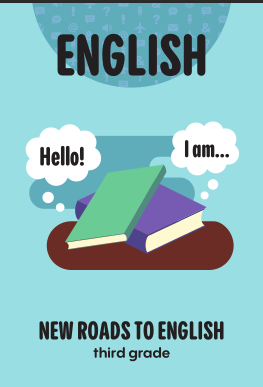
Position: 213 (1408 views)